
Pcb 126
CAS57465-28-8
Molar mass326.433 g/mol
Safe
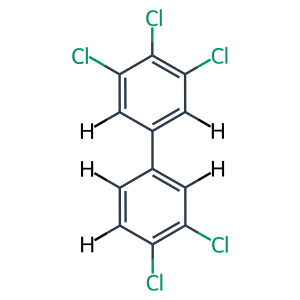
3,3',4,4',5-pentachlorobiphenyl is a pentachlorobiphenyl in which the chlorines are located at the 3, 4, 5, 3', and 4' positions. It is a trichlorobenzene and a pentachlorobiphenyl.
Scientific Grain Officer - Dictionary Editorial Department, revised at:2026-09-12
Toxicity
ToxicitySymptoms
Chronic PCB exposure results in symptoms such as abdominal pain, nausea, vomiting, diarrhea, headache, dizziness, depression, nervousness, dermal and ocular lesions, fatigue, irregular menstrual cycles and a lowered immune response. (A3)
Treatment
There are no specific treatments for PCB poisoning, since it is not usually recognized until after substantial chronic exposure. Only preventing further exposure and treating the observed symptoms can be done. Acute inhalation can be treated by administering oxygen. (L4)
Toxicity Data
LD50: 1010 mg/kg (Oral, Rat) (T14) LD50: 880 mg/kg (Intraperitoneal, Mouse) (T14)
Health Effects
The most common health effects of PCBs are skin conditions such as chloracne and rashes. Chronic PCB exposure has also been shown to cause liver, stomach and kidney, damage, jaundice, edema, anemia, changes in the immune system, behavioral alterations, and impaired reproduction. (L4)
Adverse Effects
IARC Carcinogen - Class 1: International Agency for Research on Cancer classifies chemicals as established human carcinogens.
Exposure Routes
Oral (L4); inhalation (L4); dermal (L4)
Toxicity Summary
The mechanism of action varies with the specific PCB. Dioxin-like PCBs bind to the aryl hydrocarbon receptor, which disrupts cell function by altering the transcription of genes, mainly be inducing the expression of hepatic Phase I and Phase II enzymes, especially of the cytochrome P450 family. Most of the toxic effects of PCBs are believed to be results of Ah receptor binding. Other PBCs are believed to interfere with calcium channels and/or change brain dopamine levels. PCBs can also cause endocrine disurption by altering the production of thyroid hormones and binding to estrogen receptors, which can stimulate the growth of certain cancer cells and produce other estrogenic effects, such as reproductive dysfunction. They will bioaccumulate by binding to receptor proteins such as uterog...
Minimum Risk Level
Intermediate Oral: 0.03 ug/kg/day (L134)
RAIS Toxicity Values
Oral Slope Factor Reference: WHO/TEF
Carcinogen Classification
1, carcinogenic to humans. (L135)
1 or Cancer Risk Level 1E-06
Fraction of Contaminant Absorbed Dermally from Soil: 0.14000000000000001
Hazard Quotient Level 3 or Cancer Risk Level 1E-04
Fraction of Contaminant Absorbed Dermally from Soil: 0.14000000000000001